"I would rather have had all the male painters in England landed in Bengal than a single woman"
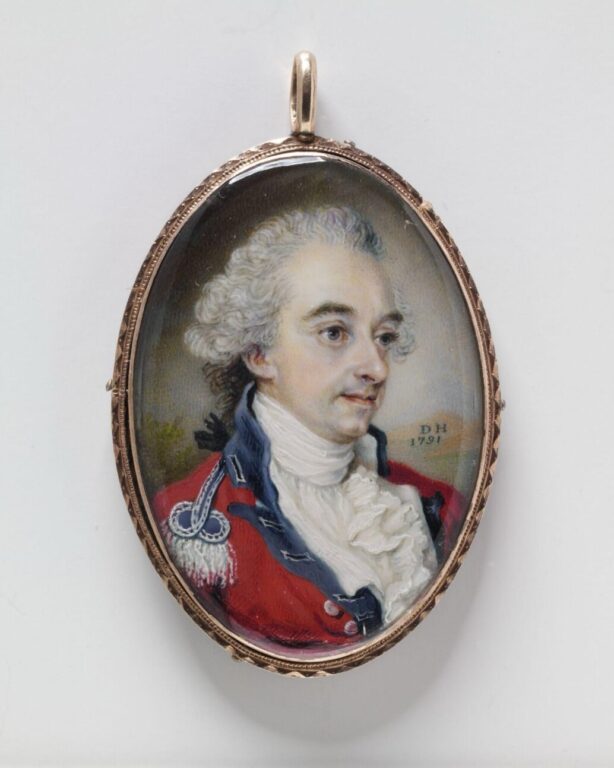
Ozias Humphry, portrait miniaturist
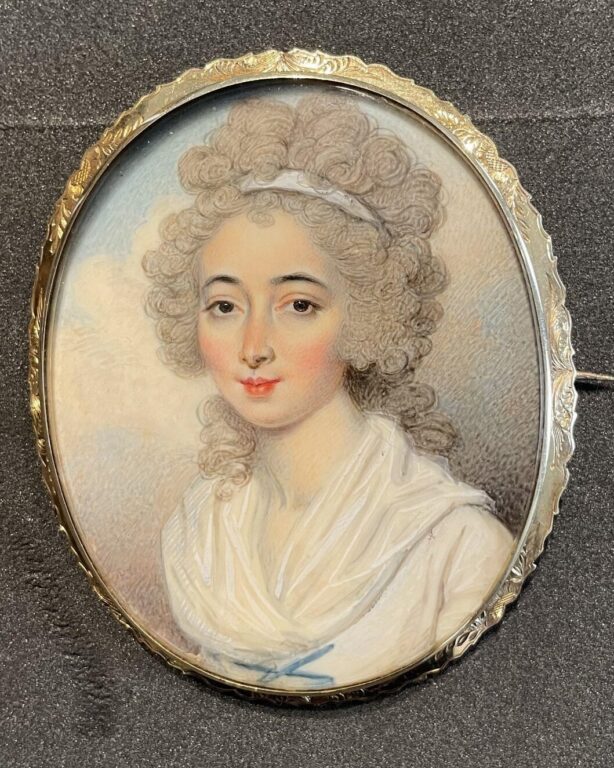
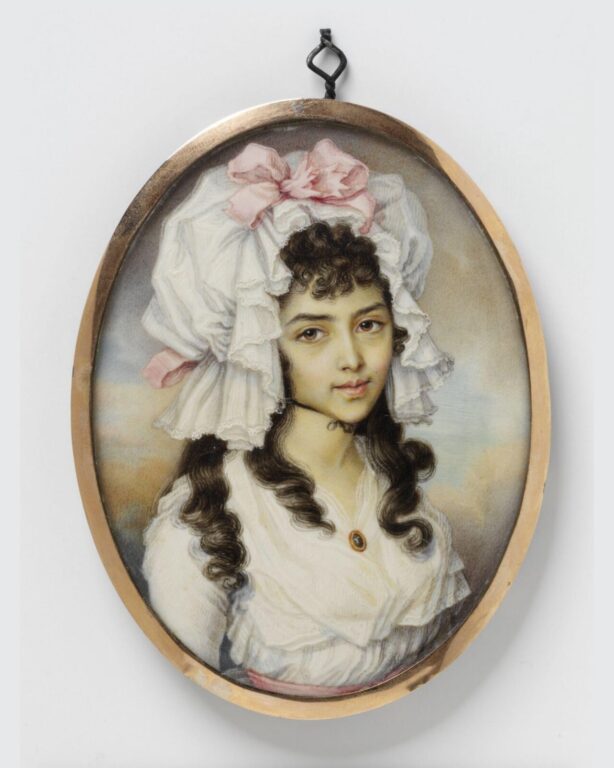
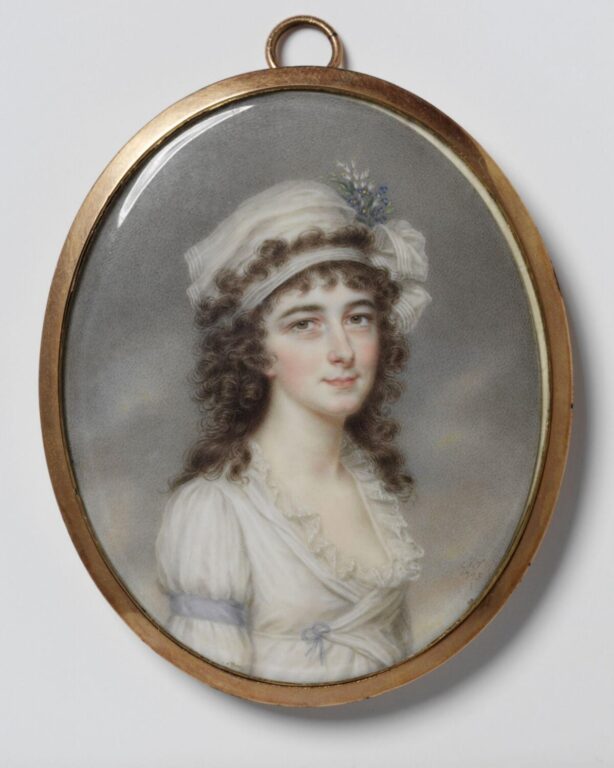
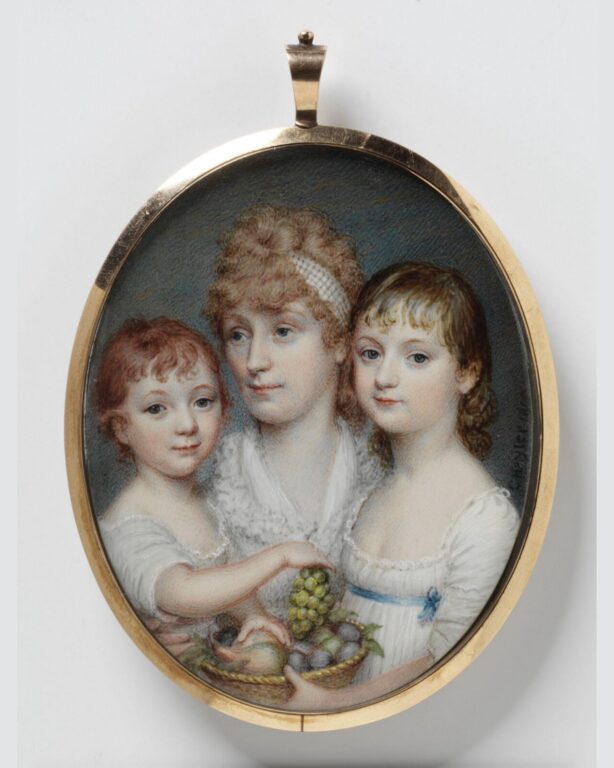
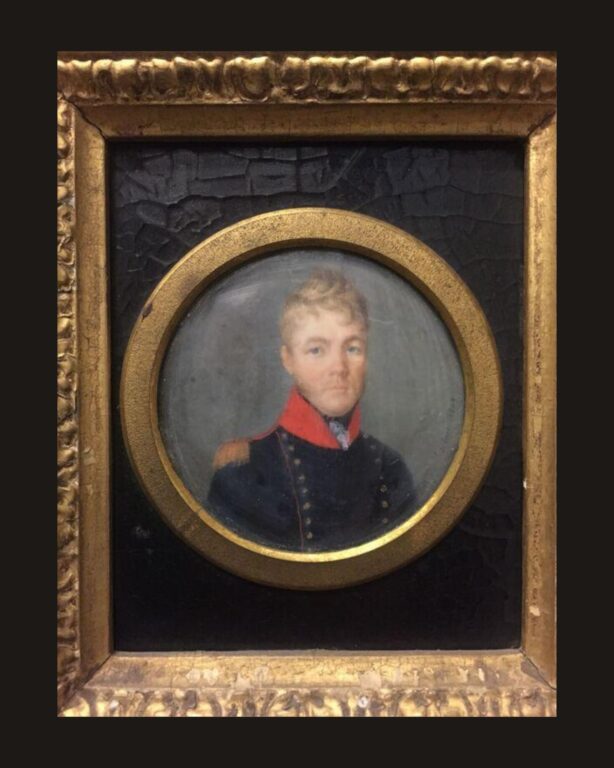
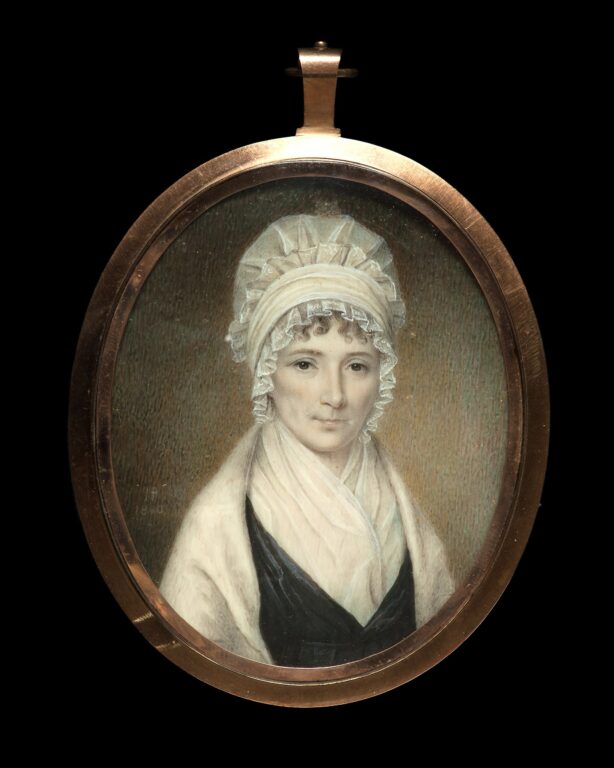
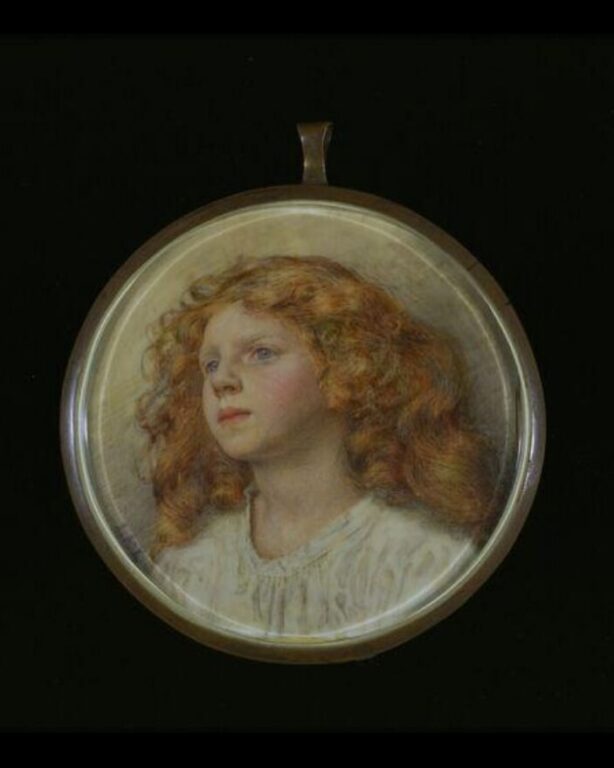
The history of portrait miniatures is closely tied to Empire owing to their materiality and imagery, from the exploitation of ivory elephant tusks to the dissemination of eighteenth-century European ideals of skin tone. While the artform granted female artists independent agency and income, this was often achieved in proximity to imperial rule or the transatlantic slave trade. Miniaturists benefiting from British imperial history can be explored on their artist profiles: Sarah Stanley, the daughter of the founder of the British Museum, and Katherine Read, an artist whose Indian travels led to her death.
As the East India Company expanded its commercial and political reach across India and beyond in the eighteenth and early nineteenth centuries, it also generated complex networks of separation and communication. In this environment, miniature portraits became essential objects of intimacy and connection, as their small and transportable format allowed them to circulate between Britain and colonial outposts.