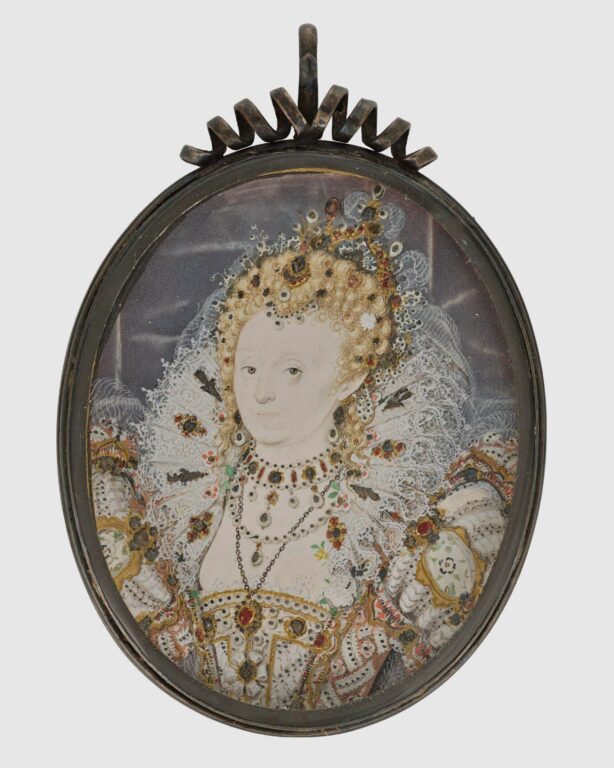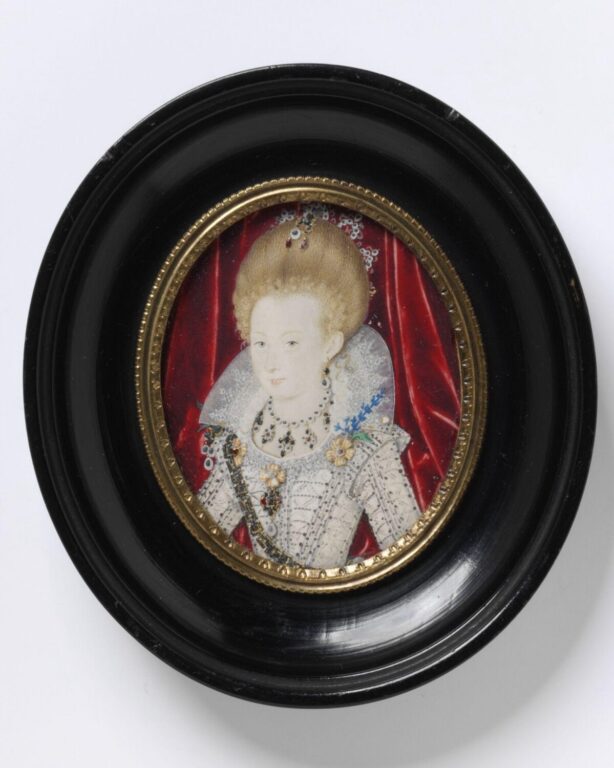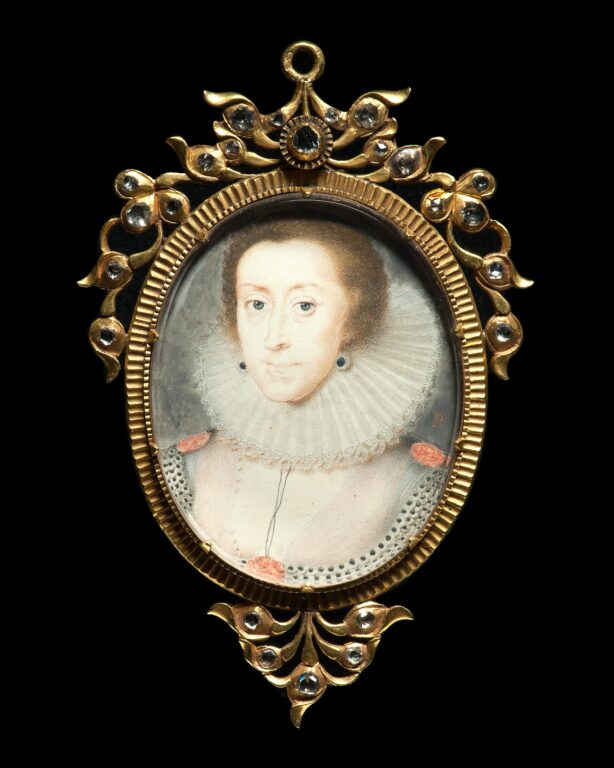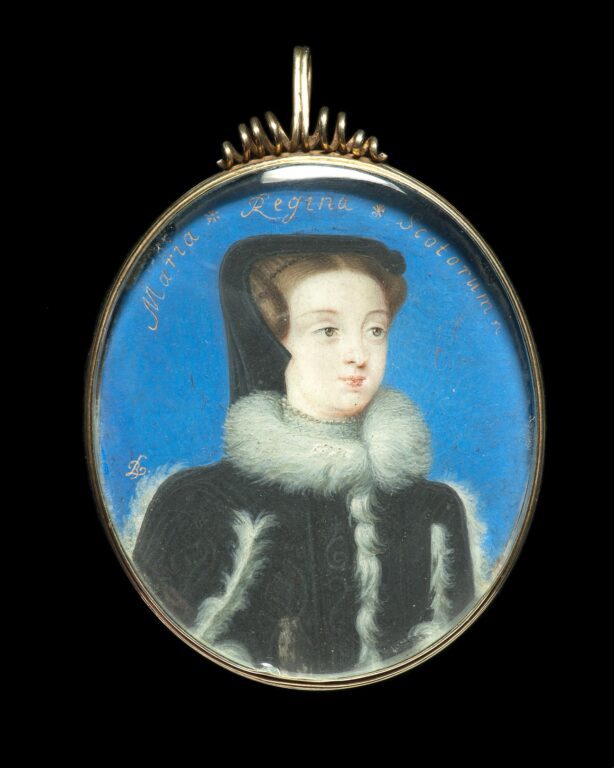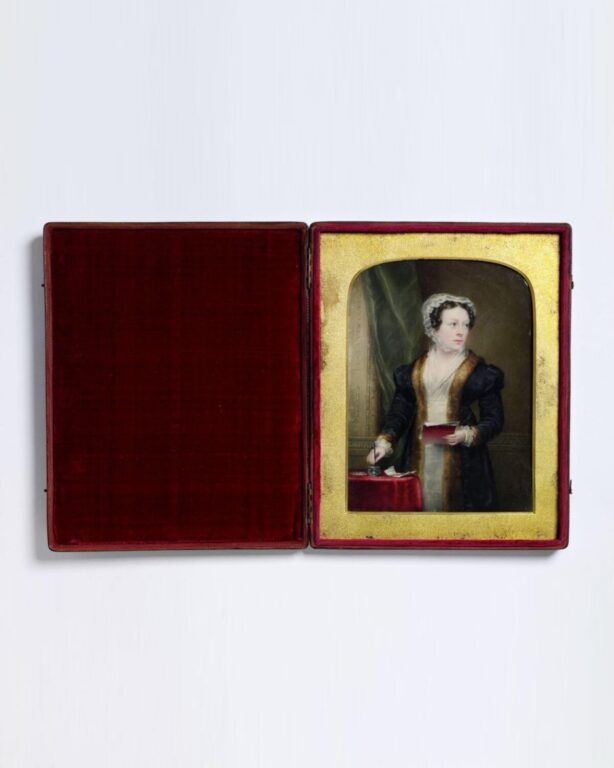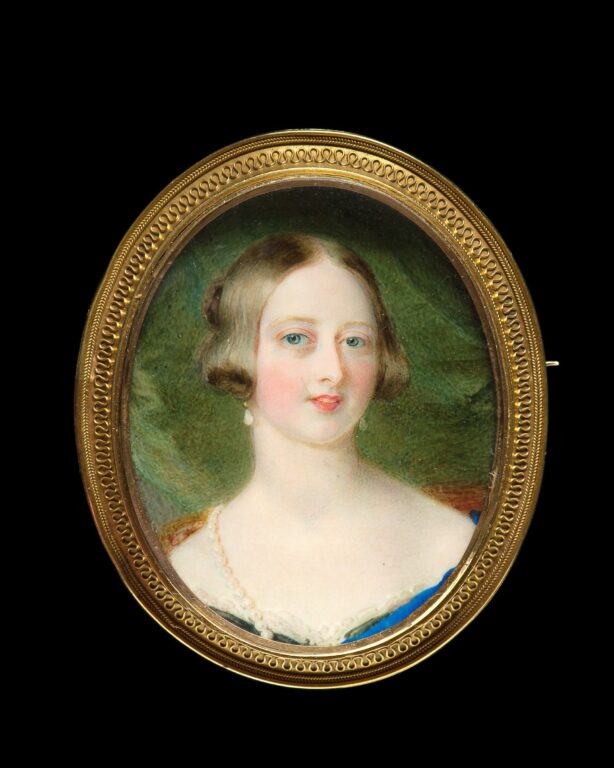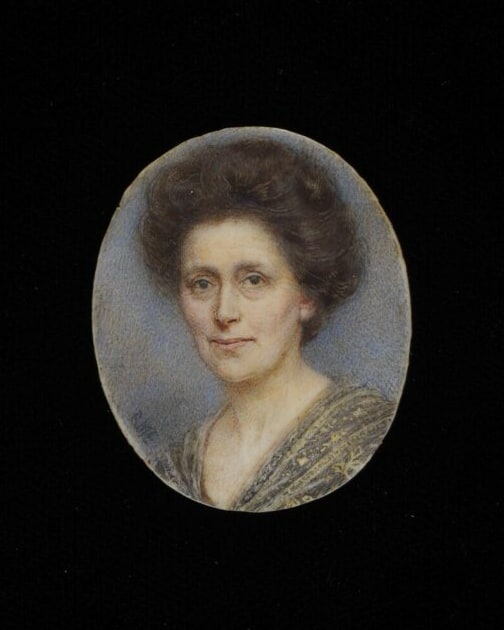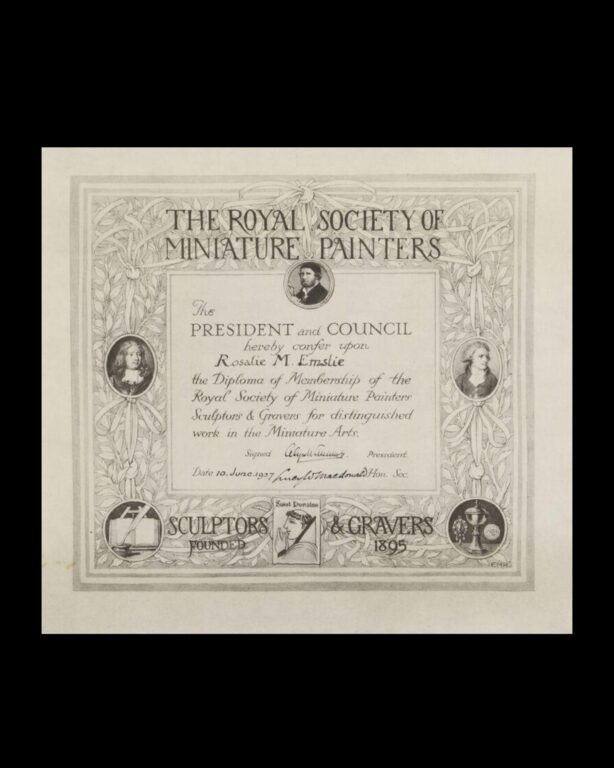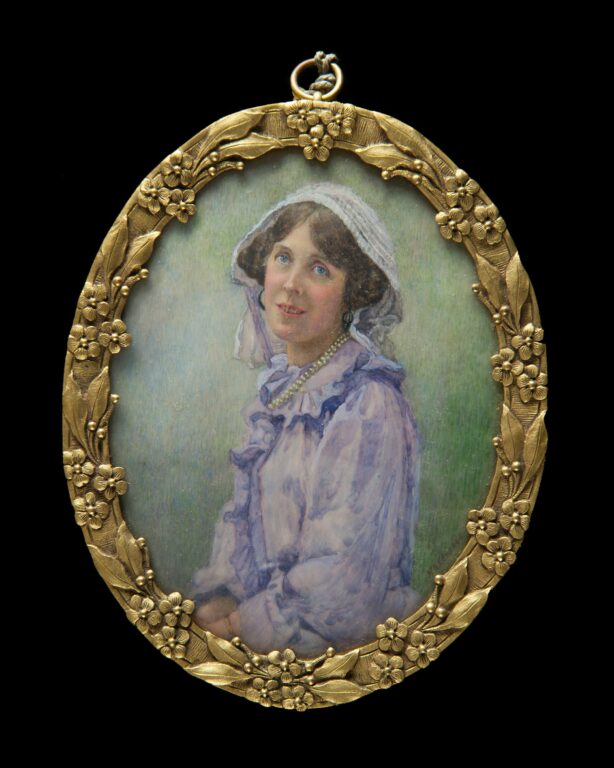
Wealth, status and leverage: with these assets, a patron of the arts could shape artistic production. As sitters, they could become active agents in the construction of their own image, by negotiating with the artist over their representation.
The portrait miniatures in this section show how these relationships evolved alongside political and social conditions. As society changed, new needs emerged, although older structures continued to shape women’s roles within artistic and cultural networks.
Traditionally associated with male authority, considerations of patronage have often overlooked the ways in which women exercised influence within these structures. As sitters, patrons, and artists, women used portraiture to construct legitimacy, assert identity, and creatively advance their position within systems that both enabled and constrained them.
‘Power’ in portrait miniatures is expressed through visibility, symbolism, and circulation. To have one’s portrait painted signified status and authority, turning the sitter into a controlled, portable image that could be worn, exchanged, and displayed. Within court culture, miniatures functioned as diplomatic and social objects and circulated as gifts to reinforce loyalty, intimacy, and political alliances, extending influence beyond the sitter’s physical presence. Patronage structures, including commissioning new artworks, reinforced these hierarchies between artists and sitters.
From a feminist perspective, portrait miniatures can be not only aesthetic objects but also a form of display where power, identity and the subjectivity of creativity are intertwined. By repositioning women as patrons, subjects and cultural actors, this section challenges the traditional assumption that women are merely muses or decorative presences in art’s production and reception. Instead, it highlights the role women have played in shaping visual culture and defining their positions within restrictive societies. Rewriting this narrative in the present is important as it helps restore women’s visibility in history and prompts us to reflect on which stories are told and remembered, and how the power structures behind them continue to exert their influence.